
Move-In & Move-Out Inspection Checklist for Rentals
A strong inspection process protects property managers, landlords, and tenants by setting clear expectations and documenting the condition of the home — before and after every tenancy.
Why Move-In and Move-Out Inspections Matter
When a tenant moves in, the property should be in good condition. When a tenant moves out, someone should review the condition again. Together, these inspections create a clear record that everyone can trust.
- Track the property’s condition over time
- Identify damage beyond normal wear and tear
- Support fair security deposit decisions
- Reduce repair costs with early detection
- Protect both landlords and tenants
- Reduce the likelihood of disputes
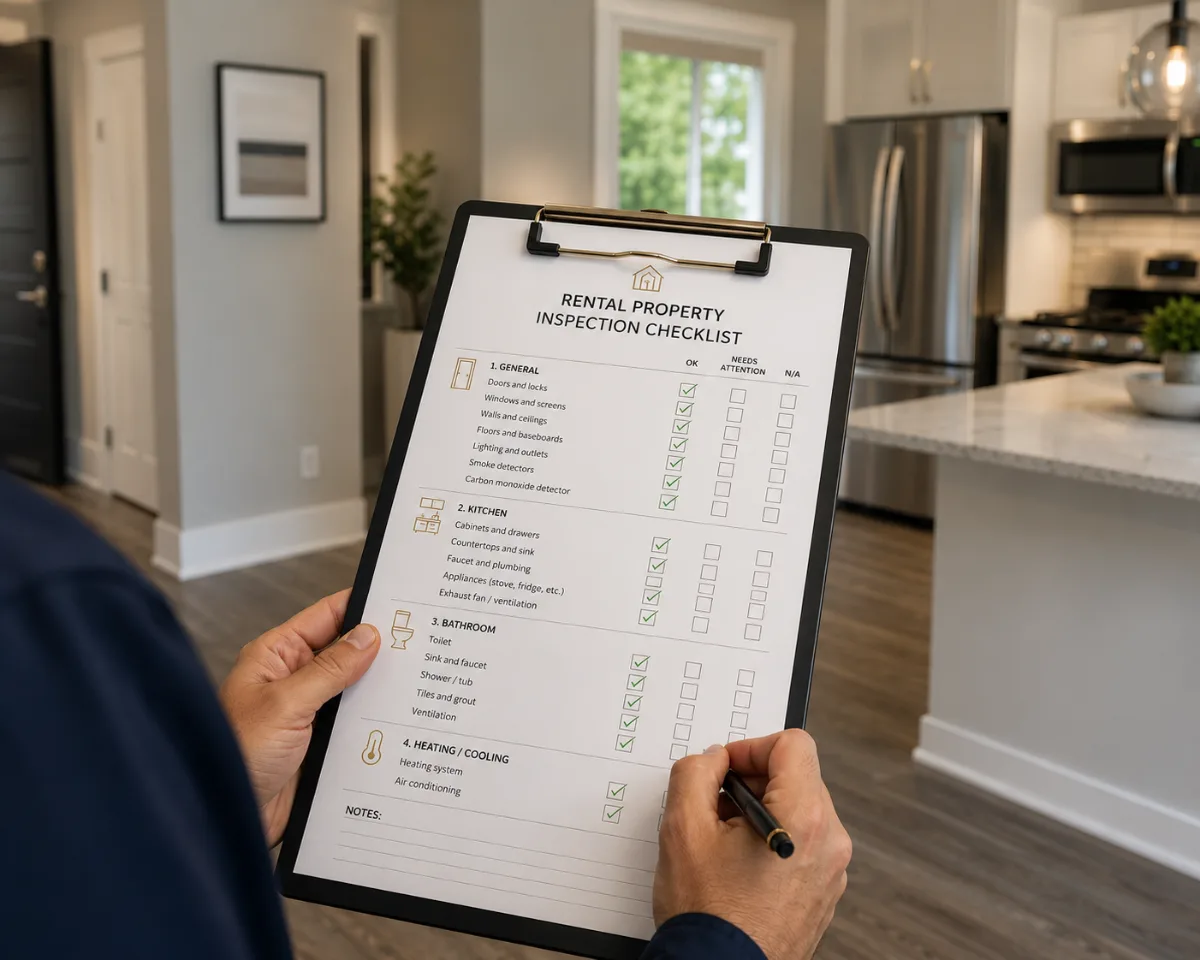
Move-In Inspection Checklist: What to Review Before a Tenant Moves In
A move-in inspection documents the condition of the rental before the tenant takes possession. Complete this before handing over the keys.
🏠 Exterior Areas
- Front door condition and locks
- Windows and screens
- Exterior walls or siding
- Walkways, patios, or balconies
- Outdoor light fixtures
🚪 Entry & Common Areas
- Flooring condition
- Walls and ceilings
- Doors and handles
- Light switches and outlets
- Smoke and carbon monoxide detectors
🍳 Kitchen
- Cabinets and drawers
- Countertops and backsplash
- Sink and faucet operation
- Appliances in working order
- No leaks under the sink
🚿 Bathrooms
- Toilet function
- Sink and faucet condition
- Tub or shower condition
- Tile and grout
- Exhaust fan
🛏️ Bedrooms & Living Areas
- Doors and locks
- Windows and blinds
- Flooring or carpet
- Closets and shelving
⚙️ Mechanical & Safety
- HVAC system operation
- Thermostat function
- Electrical panel access
- Fire extinguishers (if provided)
Why the Move-In Inspection Is Important
Without a clear starting point, disagreements are more likely. A thorough move-in inspection protects everyone involved from day one.
✓ Sets Clear Expectations
Both parties agree on the condition of the property before any tenancy begins.
✓ Documents Baseline
Shows the property started in good condition — critical for future comparisons.
✓ Supports Future Claims
Detailed records make it easier to identify what changed during the tenancy.
✓ Keeps Teams Organized
A consistent process reduces administrative burden across your portfolio.
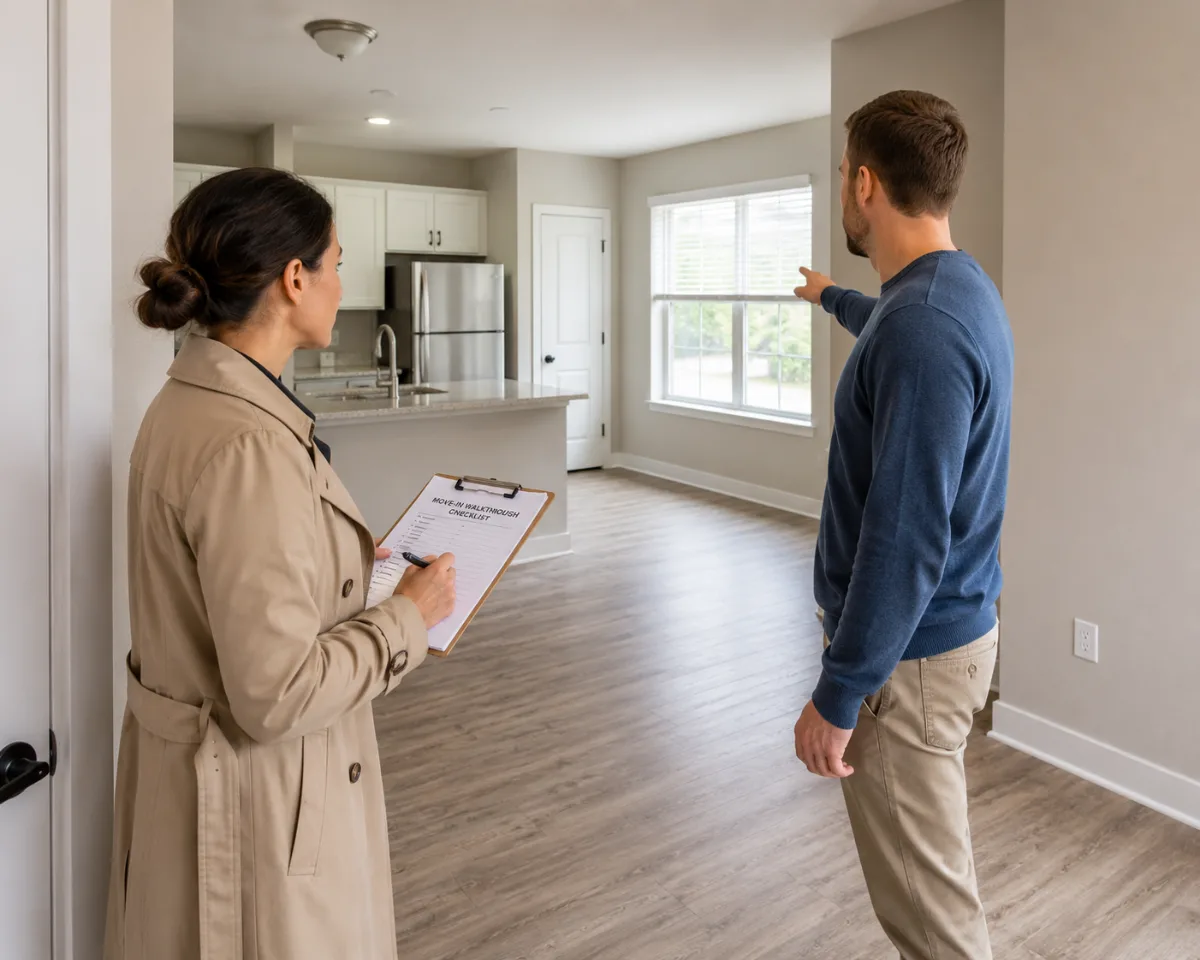
Move-Out Inspection Checklist: What to Review When a Tenant Leaves
A move-out inspection reviews the condition of the rental after the tenant moves out. Complete this once the unit is empty — and compare directly against the move-in report.
🏠 Exterior Areas
- Door and lock condition
- Windows and screens
- Exterior damage
- Trash or debris left behind
🧱 Interior Walls & Ceilings
- Holes or dents
- Stains or marks
- Paint condition
🪵 Flooring
- Carpet stains or tears
- Scratches on hard flooring
- Missing tiles or planks
🍳 Kitchen
- Appliance condition
- Cabinet damage
- Cleanliness
- Plumbing issues
🚿 Bathrooms
- Cracks or chips
- Mold or mildew
- Plumbing leaks
- Fixture damage
🔑 Final Checks
- Keys returned
- Garage remotes returned
- Utilities handled as required
- HVAC and thermostat condition
- Light fixtures and switches
Skip the In-Person Inspection. Get the Same Results.
Resident Inspect conducts live virtual move-in and move-out inspections for property managers nationwide — white-labeled reports, trained team, zero travel.
Book a Free Demo →Normal Wear vs. Damage Beyond Normal Wear and Tear
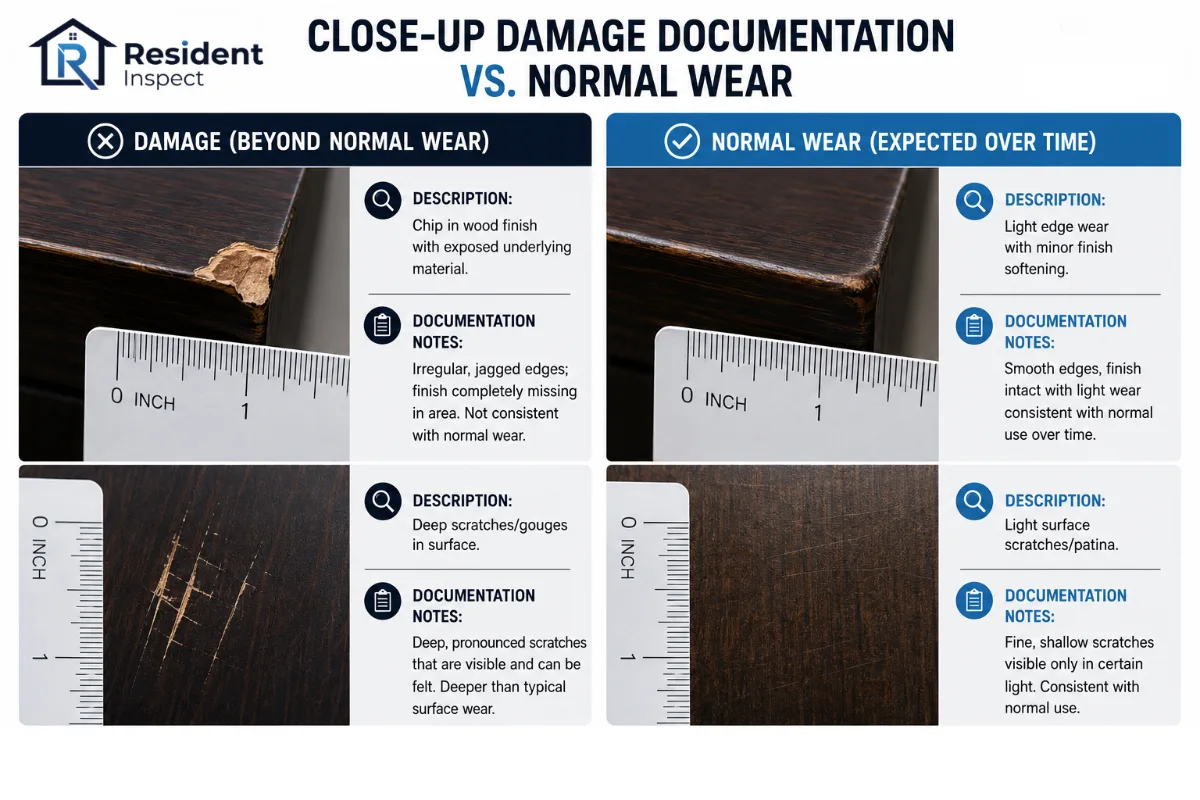
Understanding this difference is critical to making fair security deposit decisions — and defending them if challenged.
Normal Wear
- Light carpet wear from foot traffic
- Small nail holes from pictures
- Minor scuffs on walls
- Faded paint over time
Beyond Normal Wear
- Large holes in walls
- Broken fixtures or hardware
- Missing or damaged items
- Heavy stains or burns
- Unauthorized alterations
Common Mistakes to Avoid During Rental Inspections
Even with a solid inspection checklist, mistakes can happen. Avoiding these issues protects property managers, landlords, and tenants.
Rushing the Inspection
When inspections move too fast, minor problems get missed. Small issues can turn into higher repair costs. Take time on every move-in and move-out inspection.
Poor Photo Documentation
Written notes matter, but photos provide proof. Always take clear photos of walls, floors, appliances, and fixtures. Visual records support decisions after a tenant moves.
Inconsistent Checklists
Using different forms makes it hard to compare results. A standard move-in and move-out checklist keeps inspections fair and consistent across every property.
Skipping Cleanliness Notes
Cleanliness is not normal wear and tear. If a tenant leaves a property dirty, note it clearly in the inspection report with supporting photos.
Failing to Set Expectations
When landlords and tenants understand the inspection process ahead of time, move-outs go more smoothly. Clear communication reduces the likelihood of disputes.
Not Comparing Reports
The move-out inspection only has value when compared directly to the move-in report. Always review both documents side by side before making deposit decisions.
Best Practices for Staying Organized
A consistent inspection process saves time, improves accuracy, and protects property managers from disputes. Here is how to stay organized.
Use the Same Checklist Every Time
Consistency across every unit and every tenancy makes comparisons reliable and defensible.
Take Photos During Every Inspection
Photos are your strongest defense. Capture all rooms, fixtures, and areas of concern at both move-in and move-out.
Store Reports in One System
Keep move-in and move-out reports together, labeled clearly, so they are easy to retrieve when needed.
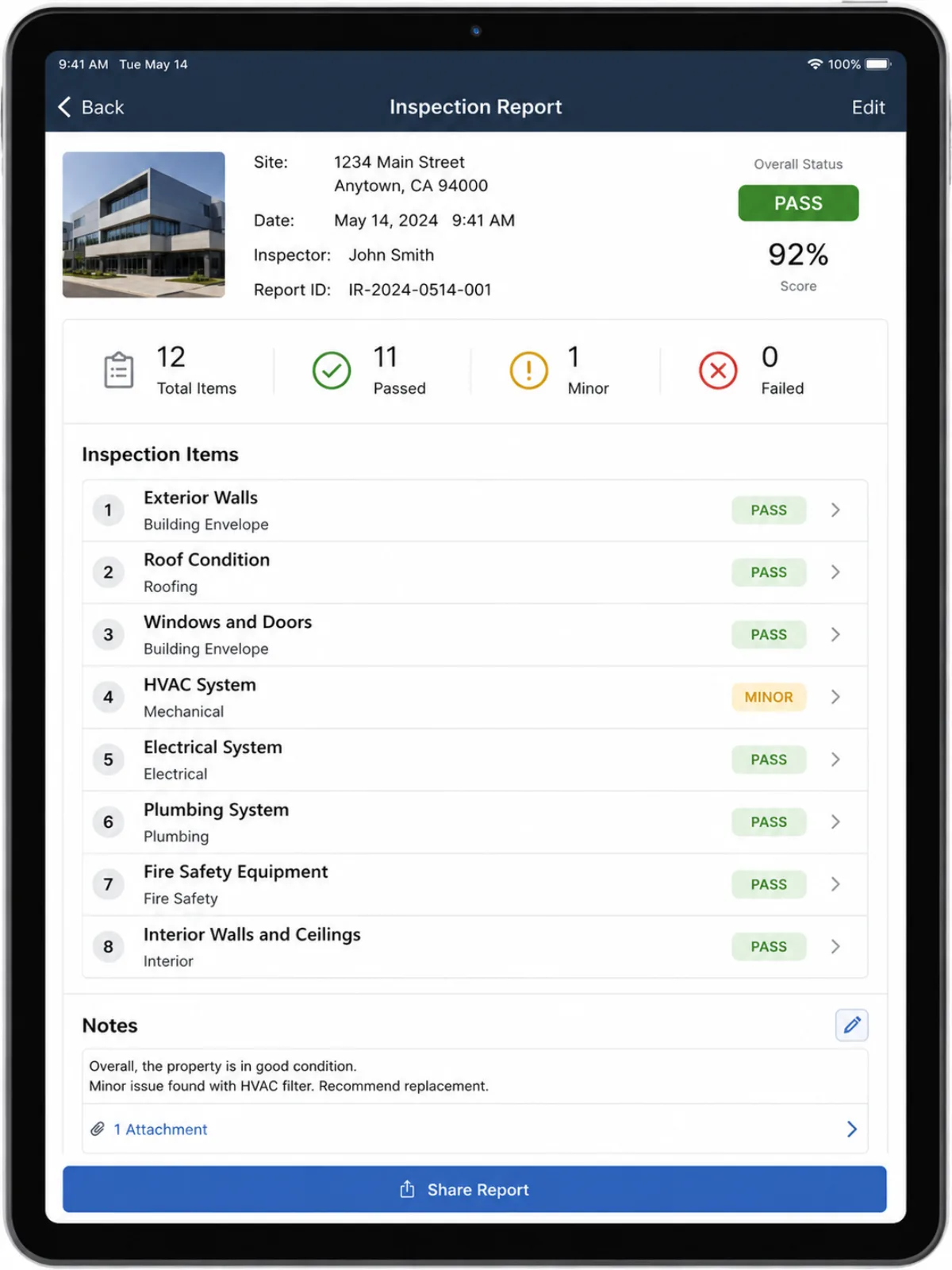
Use Digital Inspection Tools
Digital platforms capture photos in real time, generate reports quickly, and store records securely for side-by-side comparison.
Who Uses Move-In and Move-Out Inspection Checklists?
Anyone responsible for a rental property benefits from a clear, consistent inspection process.
Property Management Companies
Rental Managers
Property Owners
Landlords
Asset Managers
Real Estate Investors
How Technology Improves the Inspection Process
Modern inspection tools streamline the entire process — from scheduling to report delivery — saving time and improving accuracy across every tenancy.
Real-Time Photo Capture
Capture photos during the inspection and attach them instantly to the report — no manual uploads or filing needed.
Instant Report Generation
Generate professional, white-labeled inspection reports immediately after each inspection is completed.
Secure Record Storage
Store all move-in and move-out reports securely in one place — accessible anytime, easy to retrieve when disputes arise.
Side-by-Side Comparison
Compare move-in and move-out reports side by side to identify exactly what changed during the tenancy.
Move-In / Move-Out Inspection Checklist FAQs
What is a move-in inspection checklist?
+A move-in checklist documents the condition of a rental property before a tenant moves in, creating a baseline record used for future comparisons at move-out.
What is a move-out inspection checklist?
+A move-out checklist reviews the condition of the property after a tenant moves out to identify damage beyond normal wear and support fair, defensible security deposit decisions.
Why are both inspections important?
+Comparing move-in and move-out inspections helps determine responsibility for damage and supports fair security deposit decisions. Without both, disputes are much harder to resolve.
What should always be documented during a rental inspection?
+Walls, floors, appliances, light fixtures, cleanliness, and overall property condition should always be documented with photos and written notes at both move-in and move-out.
How do inspection checklists reduce disputes?
+Clear documentation helps landlords and tenants agree on the condition of the rental property, reducing confusion and keeping security deposit decisions objective and professional.
Authoritative Resources on Rental Inspections
Trusted sources used by landlords, property managers, and housing attorneys for inspection standards, tenant rights, and deposit law.
U.S. Department of Housing and Urban Development guidelines on landlord obligations, habitability standards, and inspection requirements under federal housing law.
Attorney-written guidance on how to properly conduct move-in and move-out inspections, document property condition, and use checklists to protect security deposits in court.
Professional standards and educational resources from the National Association of Residential Property Managers — covering inspection protocols, lease compliance, and documentation best practices.
State-by-state breakdown of security deposit return laws, required inspection timelines, allowable deductions, and documentation requirements for landlords across all 50 states.
Let Resident Inspect Handle Your Move-In & Move-Out Inspections
Live virtual inspections conducted by our trained team — white-labeled reports, zero travel, and up to 60% savings vs. in-person inspections.